
Is Your Org Chart Built for Where the Business Is Going?
Strategy changes faster than organizational structures do. The question for 2027 is whether the organization that got you here can take you where you want to go next.
TL;DR, Org charts tend to record history rather than strategy. Before adding another box, define the capability the plan requires, then decide whether to develop, redesign, automate, outsource, or hire. It is far easier to redesign an organization while the business is healthy.
By Daryle Powers
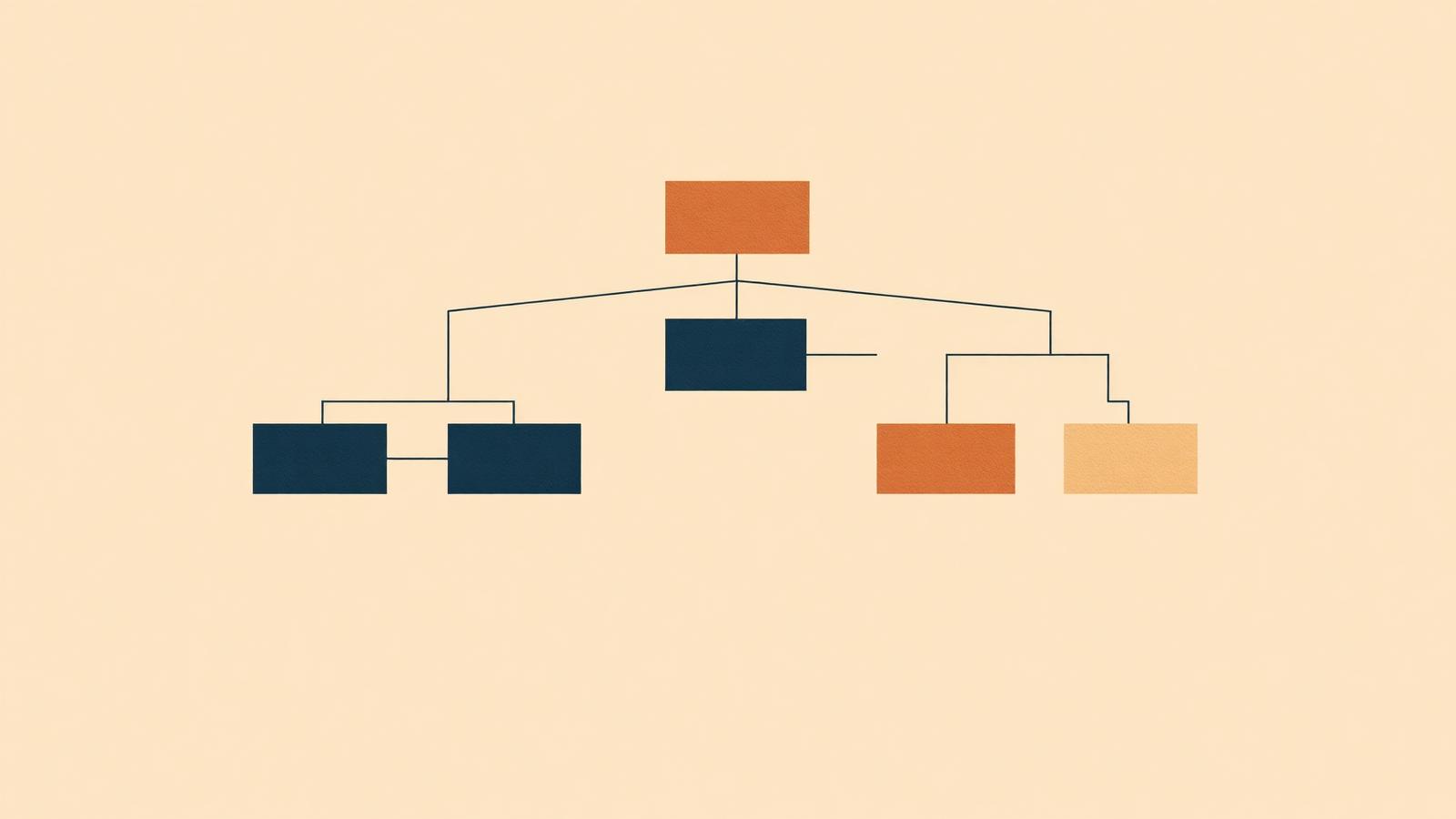
For a growing business, the organizational chart has a tendency to become a record of where the company has been rather than a blueprint for where it is going. Someone was hired when the company had three locations. Their responsibilities expanded when it reached five. Another person was added when the workload became too much. Tasks accumulated, reporting lines evolved, and before long the organization was built around a series of decisions that made perfect sense at the time. Then the company grows again.
The question for 2027 is whether the organization that got you here is actually the organization that can take you where you want to go next.
This was one of the areas where my conversation with Darrell Fincher-Crusan became particularly interesting. I tend to look at organizational questions through growth, customers, revenue, marketing, technology, and execution. Darrell has spent more than 25 years looking at them through workforce planning, organizational design, leadership, succession, and capability development. We came back to the same issue: strategy changes faster than organizational structures often do.
A good employee can still be in the wrong role
One of the questions I raised during our conversation was whether the person is in the right role, and whether the role itself is still needed in its current form. Those are two different questions. A strong employee can be performing exactly as expected while the business has outgrown what the position was originally created to do.
Think about a small marketing organization. Someone may have been hired to manage social media, email, and basic promotions. As the company grows, the business now needs:
- Customer acquisition strategy
- CRM and lifecycle marketing
- Analytics and attribution
- Revenue-focused product marketing
- Marketing technology management
That does not automatically mean you have the wrong employee. It may mean you are asking yesterday's role to solve tomorrow's problem. The same thing happens in operations, finance, HR, sales, and technology.
Growth changes the work
In smaller companies, roles naturally become broad. That flexibility is often an advantage, but there is a point where being flexible turns into simply being overloaded. I recently worked with a growing business where a very lean marketing team was supporting an expanding portfolio. One employee was spending significant time pulling lists, managing email activity, handling social media, and responding to whatever else landed on his desk.
The issue was not effort. He was drowning. As the business continued adding locations, leadership had to ask whether the existing way of working could scale with it. That is a question every growing company should ask before approving another year of growth targets. If revenue increases 20%, locations double, or the customer base expands significantly, what has to change behind the scenes to support it? Sometimes the answer is another employee. Sometimes it is not.
Know the capability before you fill the box
Darrell made an important distinction during our conversation: leadership should first determine the capabilities the strategy requires and then decide how the organization should be structured around them. Too often companies do the opposite. Someone leaves, so the job description gets reposted. A department feels overwhelmed, so another headcount gets requested. A leader says they need help, so leadership asks who they should hire.
Start one step earlier and ask what capability is missing. Then decide whether the best answer is to:
- Develop someone already on the team
- Redesign an existing position
- Automate part of the work
- Outsource a specialized function
- Bring in temporary executive expertise
- Create a new position
- Stop doing the work altogether
The answer may still be hiring, but now you are hiring against a business need rather than simply replacing a box on the org chart.
Look for the bottlenecks
Founder-led and mid-sized companies often have another organizational challenge: the person who helped create the company can become one of the things limiting its next stage of growth. That can happen at any level. A founder who once approved every decision may eventually slow the company down by continuing to approve every decision. A department leader who once personally executed everything may struggle to delegate as the team grows. A highly valued generalist may reach a point where the company needs deeper expertise. None of those situations mean someone failed. The business changed.
Darrell has dealt with this repeatedly across organizations undergoing growth, restructuring, and transformation. His view is that leadership has to be honest about what the next version of the organization requires, while also determining whether existing talent can grow into that need.
Do not wait until the structure breaks
Small businesses often wait to redesign a role until the pain becomes impossible to ignore. Customers are being missed. Employees are burned out. Work is delayed. The founder is involved in everything. A strong employee leaves. Only then does the organizational conversation begin. I would rather see leaders make this part of annual planning. For your most important areas of the business, ask:
- What does this function need to accomplish in 2027?
- What capabilities will that require?
- Who owns those capabilities today?
- Can that person or team realistically scale with the plan?
- What needs to change before growth exposes the gap?
That last question matters. It is much easier to redesign an organization while the business is healthy than after the business has outgrown it.
The question for 2027
Your organizational chart should not be treated as permanent. It is simply one version of how you have chosen to organize the work. As the strategy changes, that structure should be challenged too. If you were building your team today for the company you expect to operate three years from now, would you create the same roles, reporting lines, and responsibilities?
If not, your 2027 planning process is the right time to start asking what needs to evolve. The goal is not to reorganize for the sake of reorganizing. It is to make sure the organization can support the business you are asking it to become.
More in this series
In conversation with
Darrell Fincher-Crusan is a Fractional CHRO and business advisor with more than 25 years of experience helping organizations navigate growth, transformation, workforce challenges, and organizational change. His practice, Your Transformation Partner, gives growing companies access to senior people and organizational leadership without building another permanent executive role.
About the advisor
Daryle Powers advises attractions, tourism, entertainment, and experience-driven operators on customer strategy, pricing, loyalty, revenue, technology, and visitor behavior. His work helps leaders connect business strategy, data, and the customer journey in ways that are practical, commercially sound, and easier to execute.
Growing faster than the organization can support?
If the structure is starting to strain, it is better to redesign it while the business is healthy.